
The psychological effects of gambling how ice fishing impacts your mindset
The psychological effects of gambling how ice fishing impacts your mindset
The Psychological Landscape of Gambling
Gambling can have profound psychological effects on individuals, influencing not just their emotions but also their cognitive processes. Many people are drawn to gambling due to the thrill of uncertainty and the potential for financial gain. This exhilarating environment stimulates the release of dopamine, a neurotransmitter associated with pleasure and reward. Consequently, gamblers often experience elevated moods, which can quickly transform into anxiety or depression, especially in the case of losses. Understanding these dynamics is crucial for anyone involved in gambling, whether recreationally or habitually. Additionally, some players find that engaging in an ice fishing game offers a refreshing break from their routine gambling activities.
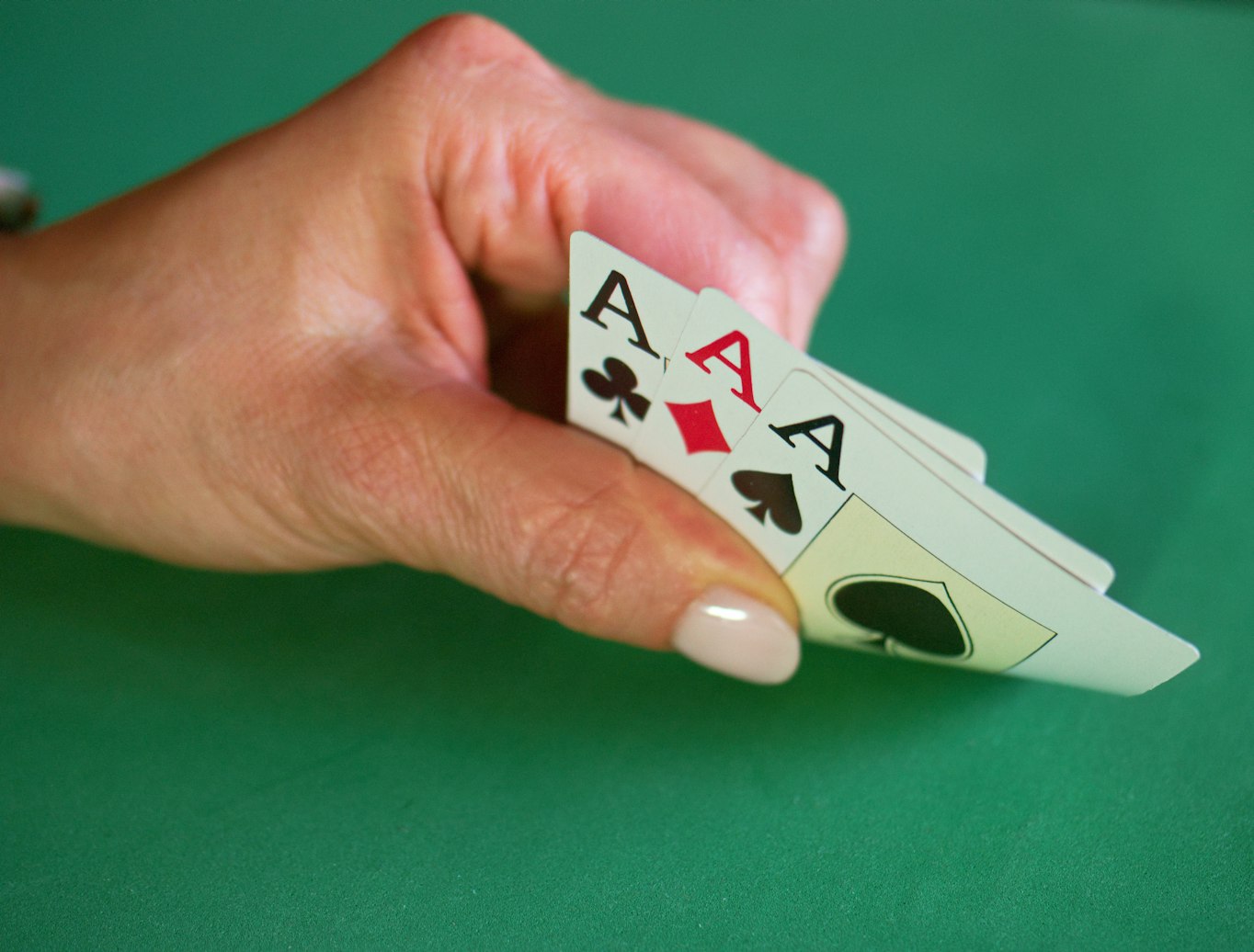
Moreover, the psychological effects of gambling extend beyond the individual. Relationships may suffer as gambling behaviors change one’s priorities, leading to conflict with family and friends. The constant pursuit of winning can create a cycle where individuals neglect their responsibilities, resulting in emotional distress for both the gambler and their loved ones. Thus, while gambling offers immediate gratification, its long-term psychological toll can be severe, often leading to a complex interplay of emotions.
Gambling addiction, characterized by compulsive behavior, often mirrors other addictive tendencies. When individuals lose control over their gambling activities, they may resort to dishonest behaviors to fund their habits. This transformation can distort one’s self-image and lead to feelings of shame and isolation. As such, it’s essential to recognize these psychological consequences, as early intervention can make a significant difference in preventing a downward spiral into addiction.
The Psychological Appeal of Ice Fishing
Ice fishing, while seemingly unrelated to gambling, also has unique psychological implications. Many ice fishers seek the calm and solitude of frozen lakes, providing a stark contrast to the frantic pace of everyday life. The act of fishing itself requires patience and focus, which can serve as a form of mindfulness. This immersive experience allows individuals to escape their daily stresses, providing a mental reset and a sense of clarity that can be refreshing.
Moreover, the social aspect of ice fishing can also play a crucial role in mental well-being. People often fish in groups, creating an opportunity for bonding and camaraderie, which can be beneficial for emotional health. In this context, individuals engage in conversations, share stories, and enjoy each other’s company, fostering a sense of belonging that counters feelings of isolation. This communal experience can significantly enhance one’s overall mental state, making ice fishing not just a hobby, but a vital aspect of social wellness.
The thrill of the chase in ice fishing also parallels the excitement found in gambling. While anglers wait for a bite, there exists a palpable anticipation that ignites excitement similar to that of placing a bet. This parallel emphasizes the psychological allure both activities hold, albeit with differing consequences. For ice fishers, the stakes tend to be lower, and the experience is often more about connection to nature rather than financial gain, providing a healthier outlet for the inherent human desire for risk-taking and excitement.
The Interplay Between Gambling and Ice Fishing
While gambling and ice fishing may seem worlds apart, their psychological impacts can intertwine in intriguing ways. Both activities involve elements of chance and unpredictability, leading individuals to engage their cognitive processes in unique manners. Gamblers chase the thrill of winning, while ice fishers pursue the joy of catching fish, creating a complex emotional landscape influenced by the outcomes of their pursuits. This shared thrill can foster similar mental states, even if the long-term effects differ significantly.
The social environments surrounding both activities can shape one’s mindset. In a casino, the lights, sounds, and energy can amplify emotions and drive individuals toward impulsive decisions, whereas ice fishing often promotes calmness and reflection. However, those who gamble may also seek out ice fishing for its contrast to the frenetic pace of casinos, attempting to balance their emotional states by immersing themselves in nature. This pursuit of balance is essential for maintaining mental well-being.
Moreover, the financial implications of gambling can overshadow the simple joys found in ice fishing. As individuals become entrenched in gambling behaviors, they may overlook the therapeutic aspects of ice fishing, such as stress relief and connection to the environment. Recognizing these connections can offer valuable insights into how individuals can navigate their emotional landscapes, encouraging healthier choices that promote mental wellness over compulsive behaviors.
Strategies for Managing Psychological Effects
Understanding the psychological effects of gambling and ice fishing is just the first step; managing these effects requires proactive strategies. Mindfulness and self-awareness are critical in recognizing when gambling behavior is becoming detrimental. Gamblers should engage in reflective practices, such as journaling or meditation, to gain insight into their motivations and emotional triggers. Identifying these patterns can lead to healthier decision-making and a more balanced approach to leisure activities.
Additionally, integrating ice fishing into one’s routine could serve as a beneficial counterbalance to gambling. Those who find themselves drawn to the casino may discover that spending time outdoors enhances their mental clarity and reduces stress. The focus required for successful ice fishing can offer a constructive way to process emotions and engage in problem-solving, redirecting the adrenaline that gambling often provides into a more fulfilling pastime.
Seeking professional help is another vital strategy for managing the psychological effects of gambling. Therapists specializing in addiction can provide individuals with coping techniques and support systems to break free from compulsive behaviors. Combining these professional resources with the therapeutic benefits of ice fishing may create a more holistic approach to recovery, allowing individuals to reconnect with themselves and their surroundings in a positive way.

Why Our Website Is Your Go-To Resource
Our website is dedicated to providing comprehensive resources on the psychological effects of gambling and the benefits of activities like ice fishing. We aim to educate individuals on the intricate relationship between these pastimes and their impacts on mental well-being. By offering insights and strategies, we hope to empower visitors to make informed decisions about their leisure activities, balancing excitement with mental health.
Furthermore, we delve into various aspects of both gambling and ice fishing, exploring historical contexts, psychological implications, and practical tips for healthier engagement. Our goal is to foster a supportive community where individuals can share their experiences and learn from one another, ultimately promoting mental wellness and healthier lifestyle choices.
In an increasingly fast-paced world, understanding the psychological effects of our activities is crucial. Our website serves as a valuable resource for anyone looking to explore these topics further, providing clarity and guidance for navigating the complexities of leisure and its effects on the mind.